

ME/CFS in 2026: Diagnosis, Treatment and Long-Term Outlook
Updated November 2026
This replaces my 2018 post on myalgic encephalomyelitis, which is out of date in several places. This article is for information only and is not medical advice.
Myalgic encephalomyelitis/chronic fatigue syndrome (ME/CFS) is a serious, long-lasting illness. The CDC describes it as a biological illness that affects many parts of the body, and estimates that up to 3.3 million people in the US have it, with more than 9 in 10 never diagnosed. Its clinical guidance is explicit that ME/CFS is a biological illness, not a psycholog


ical disorder.
How ME/CFS is diagnosed
There is no blood test or scan that confirms it. NICE tells clinicians to explain that there is currently no diagnostic test and that it is recognised on clinical grounds alone. Doctors also have to rule out other conditions that can look similar, through a thorough history, physical exam, mental health assessment and basic lab tests to screen for treatable conditions.
The central symptom is post-exertional malaise (PEM), a worsening of symptoms after physical or mental effort. Symptoms can typically worsen 12 to 48 hours after activity and last for days or even weeks. That delay is why people so often fail to connect a crash with what caused it.
Two sets of criteria matter today:
- IOM (2015): The US Institute of Medicine criteria require three core symptoms plus at least one of two additional symptoms. The three are a substantial drop in functioning, PEM, and unrefreshing sleep. The additional symptoms are cognitive impairment or orthostatic intolerance (symptoms when upright). The proposed new name, “systemic exertion intolerance disease,” was never adopted.
- NICE (UK, 2021): NICE requires four key symptoms: debilitating fatigue, PEM, unrefreshing sleep or sleep disturbance, and cognitive difficulties. Unlike the IOM criteria, NICE doesn’t allow orthostatic intolerance to substitute for cognitive problems. It also allows diagnosis after 3 months rather than 4–6. Its 2025 review found no new evidence that changes the recommendations.
This is a real improvement on the older Fukuda definition, which didn’t require PEM or memory and concentration problems for a diagnosis. That is partly why the old “CFS” label was so broad and vague.
Why early diagnosis matters: A prognosis study found that diagnostic delay has a harmful effect on how the disease progresses. The CDC likewise says early diagnosis and timely, appropriate management may play a role in recovery.
Treatment: what is and isn’t supported


The honest summary is that there is no cure or approved treatment for ME/CFS, but some symptoms can be treated or managed. The CDC’s 2022 evidence review (73 studies) concluded that evidence on effective treatments remains limited.
Pacing (activity management). This is the cornerstone of current care. The goal is to balance activity and rest to avoid PEM flare-ups. That means finding your personal limits and staying within them, sometimes called the “energy envelope.” The “push and crash” cycle is a common trap on good days.
Graded exercise therapy (GET) is no longer recommended. This is one of the biggest changes since 2018. NICE says programmes based on fixed incremental increases in activity, such as GET, should not be offered. The CDC adds that standard exercise advice for healthy people can be harmful for people with ME/CFS. Gentle activity within your limits is still encouraged.
Treating individual symptoms. Sleep problems, pain, mood and orthostatic intolerance can each be addressed. The CDC says this may bring relief but won’t work for everyone. Medication choices need care: stimulants may help concentration but can trigger the push-and-crash cycle.
Medications under investigation. No drug is established:
- Low-dose naltrexone (LDN): A 2026 narrative review found it generally well tolerated, but concluded the current evidence doesn’t support routine clinical use. A UK trial funded by the ME Association has finished and is being analysed.
- Rituximab: One review notes that a trial of this antibody drug didn’t show promising results.
- Rintatolimod: Approved for severe ME/CFS in Argentina but still experimental in other countries.
A note for the Lyme community. None of the ME/CFS guidance I reviewed lists antibiotics as a treatment for ME/CFS itself. If you have a confirmed tick-borne infection, that is a separate question for your treating doctor. Be wary of anyone offering a cure, because that is exactly where the evidence is weakest.
Long-term prognosis
The outlook is variable and, for many adults, not favourable. Studies use very different definitions of recovery, so figures should be treated cautiously.
- One systematic review of prognosis found a median recovery rate of about 5% and a median of about 40% of people improving, with most still having symptoms at follow-up.
- A 2022 clinic-based study reported improvement rates across studies ranging from 17% to 64%.
- The CDC says the share of patients who recover is not well studied, but some return to full function. It also says about 1 in 4 people with ME/CFS are confined to bed at some point.
- In young people the picture is more hopeful, though researchers found eleven different definitions of recovery in paediatric studies, which makes comparison hard.
- On work, one review found the outlook for returning to work is poor after more than two to three years of sick leave, and that people shouldn’t be pushed beyond what they can do.
Some trials of CBT and GET reported that about 43–44% of participants felt better at short-term follow-up. The authors caution that this may not apply to severe ME/CFS. Given the PEM findings, guidelines have moved away from GET, and the PACE trial remains contested.
What’s new in the research
- Long COVID overlap. Long COVID and ME/CFS look alike clinically. A study of autonomic testing found extensive similarities, including reduced blood flow to the brain on standing and widespread mild-to-moderate autonomic failure in most patients in both groups. NICE stresses its ME/CFS guideline should not be assumed to apply to post-COVID syndrome.
- A disappointing trial. In September 2026, the RECOVER-VITAL trial of 959 adults found that extended Paxlovid doesn’t improve established Long COVID symptoms.
- Shared biology. An August 2026 genomics study suggests ME/CFS, Long COVID, PTSD, RA and MS may disrupt many of the same networks involved in immunity, metabolism and cellular energy, despite surprisingly little overlap at the individual gene level. It is early, hypothesis-generating work.
- Biomarkers. A UCL study is measuring over 300 inflammation- and brain-related proteins to look for markers unique to ME/CFS, to Long COVID, or shared between them. There is still no validated diagnostic test.
Where Lyme disease fits
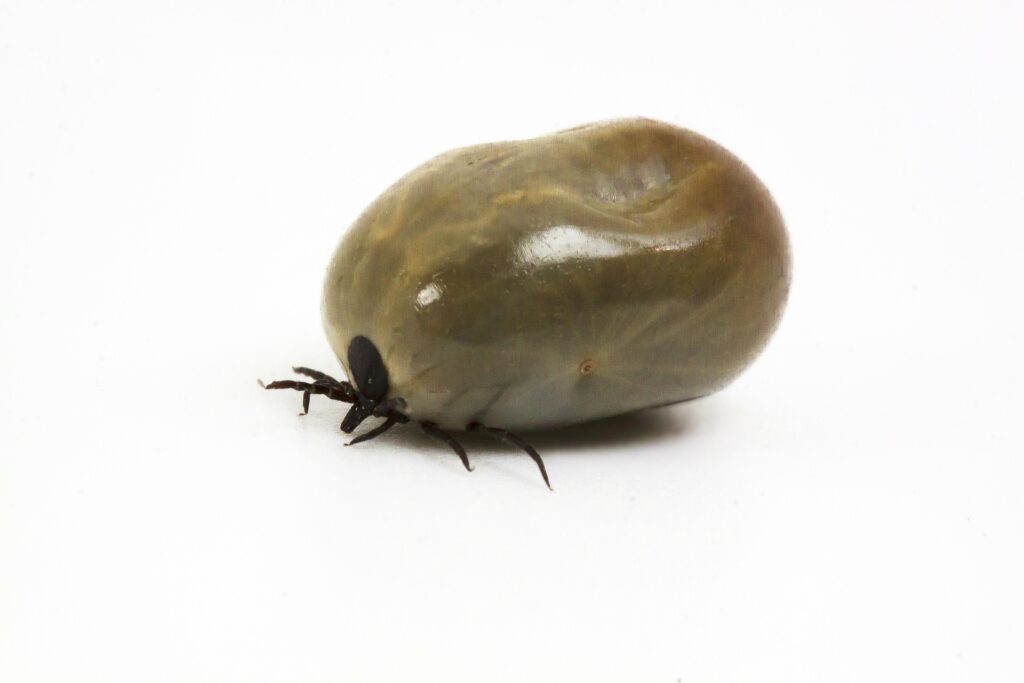
In 2018 and 2012 I suggested Lyme disease might cause ME. That was and is still my opinion but it may have appeared to mean that ME is only caused by Lyme disease. In fact, ME/CFS can follow several infections, and NICE notes viral infections, including COVID-19, may precipitate an ME/CFS-like illness. A 2026 review groups post-treatment Lyme disease syndrome, Long COVID, ME/CFS and MS together and notes they are hard to tell apart from conditions with overlapping features, because they lack clear criteria and objective lab biomarkers.
In practice, if you have ME/CFS-type symptoms and especially a plausible tick exposure, it is reasonable to ask about Lyme disease testing. But a diagnosis of Lyme disease shouldn’t stop anyone from also looking for other treatable causes, such as sleep disorders, thyroid problems or anemia. PEM-focused pacing helps either way.
Key sources and further reading
Guidelines and clinical resources
- CDC: ME/CFS Basics
- CDC: ME/CFS clinical overview
- CDC: Managing ME/CFS
- CDC: IOM 2015 diagnostic criteria
- NICE guideline NG206 (2021, reviewed 2025)
- CDC-commissioned systematic evidence review on ME/CFS management (2022)
- Institute of Medicine report, Beyond ME/CFS: Redefining an Illness (2015)
Prognosis
- Factors influencing the prognosis of ME/CFS (2022)
- How ME/CFS progresses: the natural history (Frontiers in Neurology, 2020)
- Recovery from paediatric CFS/ME: a systematic review (2021)
- Work rehabilitation and medical retirement in ME/CFS (2019)
- Prognosis following CBT and GET: systematic review (2022)
Treatment and research
- Systematic review of RCTs for CFS/ME (2020)
- Review of clinical trials in ME/CFS
- Shared autonomic phenotype of Long COVID and ME/CFS
- Shared metabolic dysregulation in ME/CFS and Long COVID
- UEA summary of the 3D genome study (ScienceDaily, 2026)
- ME Association: LDN review
- ME Association: UCL biomarker study update (2026)
- Solve ME/CFS Initiative: Research 1st, August 2026
This site is not for diagnosing or treating any condition. If you suspect ME/CFS, see a doctor who can rule out other causes, and be cautious about any treatment, including supplements, that promises a cure.